Vacant and Absentee-Owned Properties: Why Sellers Walk Away

Retired Landlord & Buy-and-Hold Investor · July 30, 2026
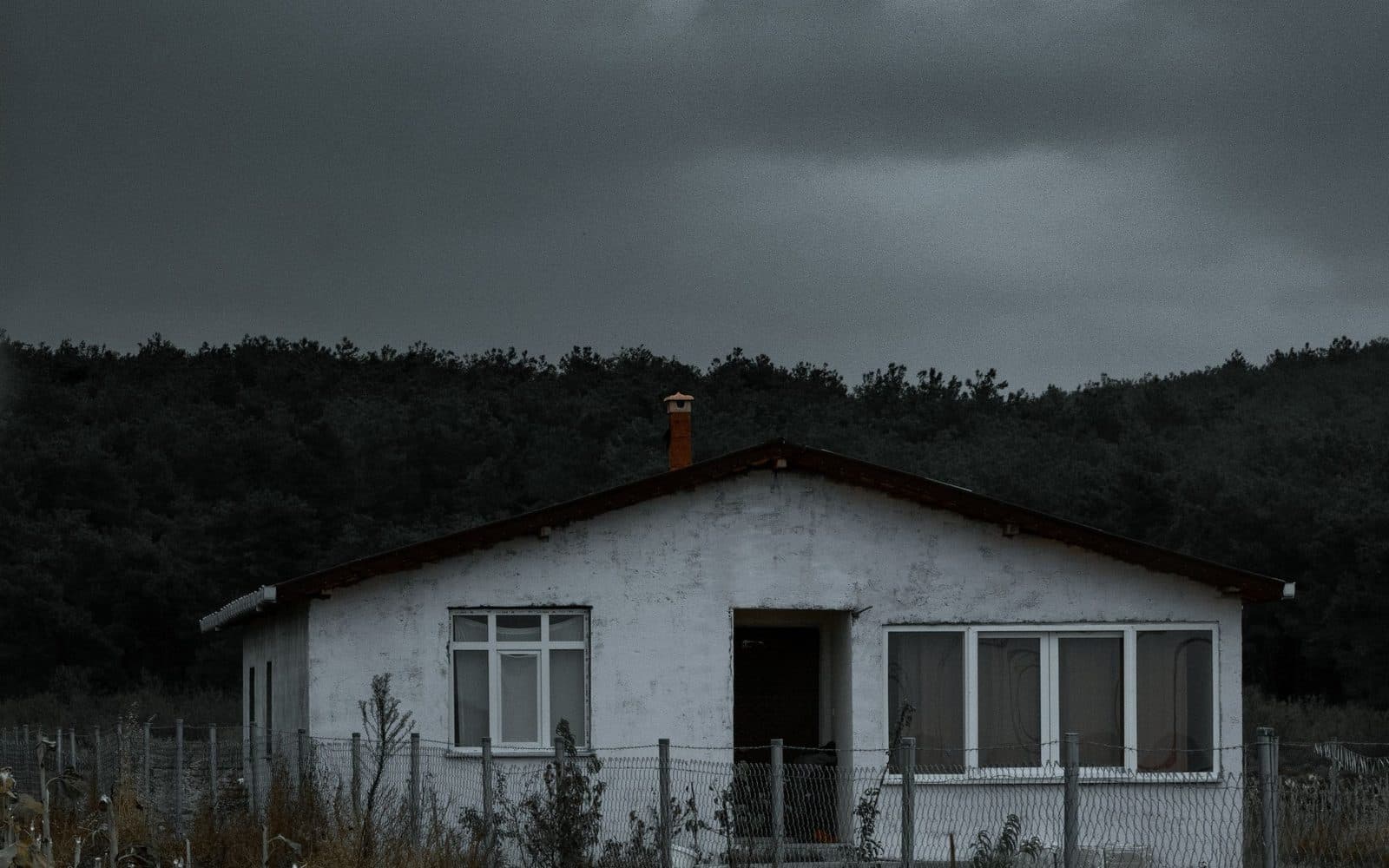
Over thirty-five years of managing rentals, I dealt with my share of properties that sat vacant longer than planned, and I've talked to plenty of other owners managing a property from a different city or state entirely — usually inherited, or left behind after a move. The math on holding onto a vacant or absentee-owned property looks fine on paper for a while. Then it usually stops looking fine, and here's why.
The Costs That Keep Running Whether Anyone Lives There or Not
A vacant house doesn't pause its expenses just because nobody's collecting rent or living in it:
- Property taxes — due on the same schedule regardless of occupancy
- Insurance — and often at a higher premium once an insurer knows a property is vacant, since vacant homes statistically see more claims (vandalism, undetected water leaks, slower fire response)
- Utilities — many owners keep at least some utilities on to prevent frozen pipes or to keep a security system running
- Basic maintenance — lawn care, snow removal, and general upkeep, which somebody still has to arrange even from a distance
- HOA dues, if applicable, which don't pause for vacancy
None of these are large individually, but they add up month after month with no income offsetting them, which is exactly the math that eventually pushes owners toward selling.
The Risks That Come With Distance
Managing a property you can't personally check on adds a different kind of cost — the ones that show up unexpectedly:
- A small leak that goes undetected for weeks because nobody's walking through regularly
- Break-ins or squatting, which vacant properties are statistically more vulnerable to
- Code violations (overgrown lawns, exterior disrepair) that accumulate fines before anyone local flags them
- General deterioration — a house that sits empty tends to show wear faster than one that's occupied and maintained day to day
If you're relying on a neighbor's occasional check-in or an infrequent personal visit, you're often finding out about problems well after they've already gotten worse.
Why Traditional Listing Can Be Harder From a Distance
Selling a vacant property the traditional way generally still requires: coordinating repairs and staging (often needing to hire and manage contractors remotely), being available for questions throughout a 30-90+ day listing period, and handling closing logistics — all while not living anywhere near the property. It's manageable, but it's a genuinely bigger lift when you're coordinating everything from out of state.
Why Many Absentee Owners Choose a Direct Sale
Selling directly to a cash buyer tends to appeal specifically to owners in this situation because:
- No repairs or staging means no need to coordinate contractors remotely
- No showings means no need to be locally available or hire someone to manage access
- A faster closing (often 1-3 weeks) means fewer months of carrying costs before the property is off your hands
- Many buyers can handle closing entirely remotely — documents notarized wherever you are, funds wired to your account — so you may never need to travel back to the property at all
Doing the Actual Math on Carrying Costs
It helps to put real numbers to this instead of a vague sense that it's "probably costing something." Take a modest example: $2,400/year in property taxes, $1,800/year for vacant-property insurance, $600/year in minimal utilities to prevent freezing, $800/year in lawn care and basic upkeep, and say $500 in incidental repairs from deferred issues — that's roughly $6,100 a year, or about $510 a month, with zero income coming in to offset any of it. Over two years of indecision, that's over $12,000 quietly gone, plus whatever additional deterioration happened in the meantime that a buyer will eventually price into their offer anyway. Running this math for your specific property — real tax bill, real insurance quote, real utility minimums — tends to turn a vague feeling of "I should probably deal with this eventually" into a concrete number that makes the decision a lot more straightforward.
What to Check Before You Sell From a Distance
- Confirm the property's current condition with recent photos or a buyer's in-person walkthrough — don't rely on your memory of what it looked like when you last saw it
- Check for any accumulated code violations or unpaid HOA dues that a title search would surface anyway
- Ask specifically whether the buyer can handle closing remotely, including notarization and fund transfer, if you don't plan to travel back
- Confirm insurance stays active through closing — a lapse during the sale process is a real, avoidable risk
A vacant or absentee-owned property isn't a crisis, but it is a slow, steady drain that's easy to underestimate until you actually add up a year or two of carrying costs against what you'd net from selling now. For a lot of owners I've talked to, that math is what finally makes the decision easy.
A Note on Neighbors and Informal Monitoring
If you're not ready to sell just yet, at least consider formalizing whatever informal monitoring you already have: ask a trusted neighbor for their direct number and offer them modest compensation for checking the property every week or two, rather than relying on their occasional goodwill. A professional vacant-property management service is another option, though it comes with its own monthly cost to add to the math. Neither of these replaces selling if the numbers no longer work, but they can reduce your risk while you decide.
This article is for general informational purposes only and isn't legal, tax, or financial advice. Insurance requirements, code enforcement, and closing logistics vary by state and municipality — consult a licensed real estate professional for guidance specific to your property.