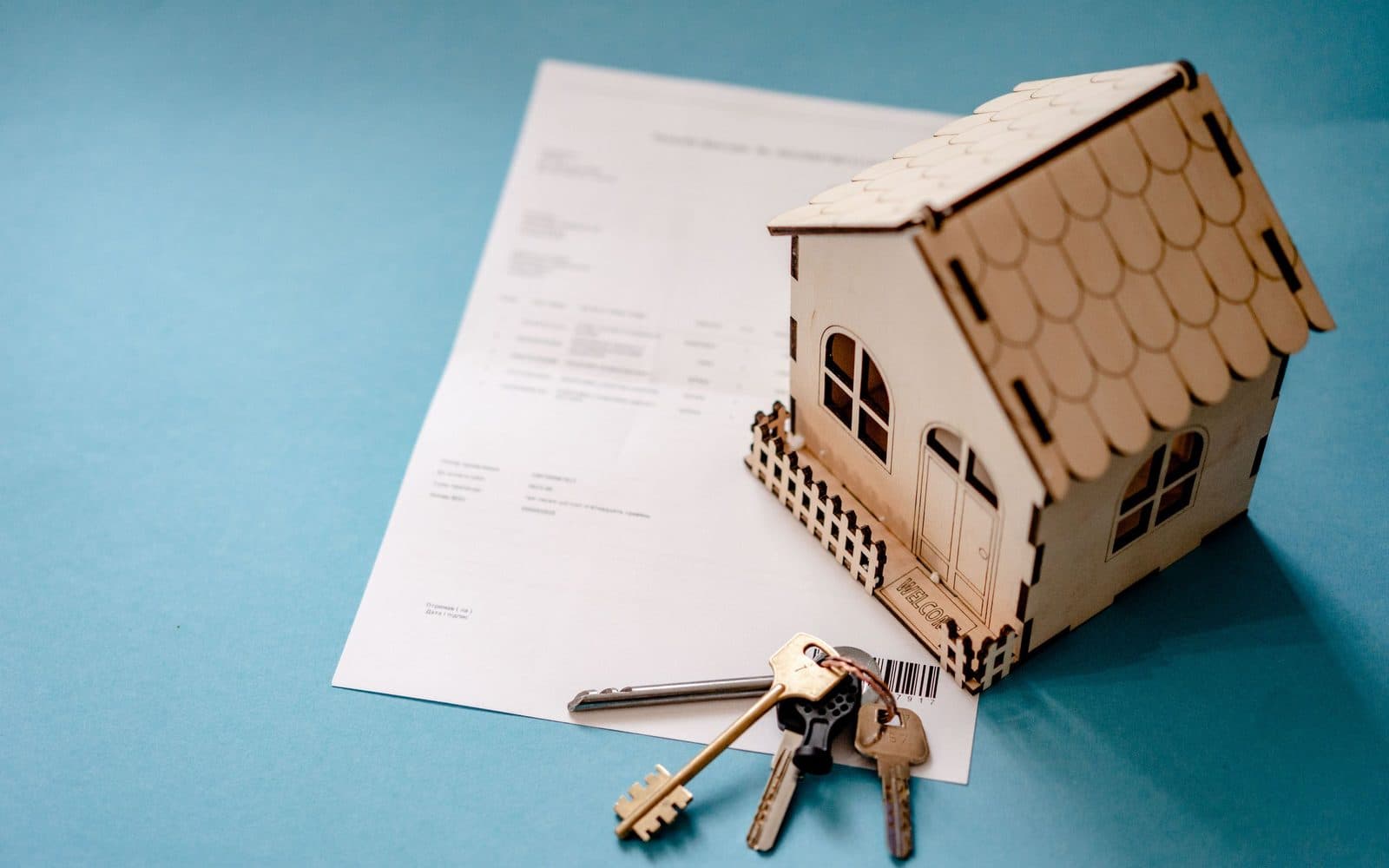
Selling an Inherited House: Where to Start When You're Also Grieving

Paralegal, Probate & Estate Background · July 30, 2026
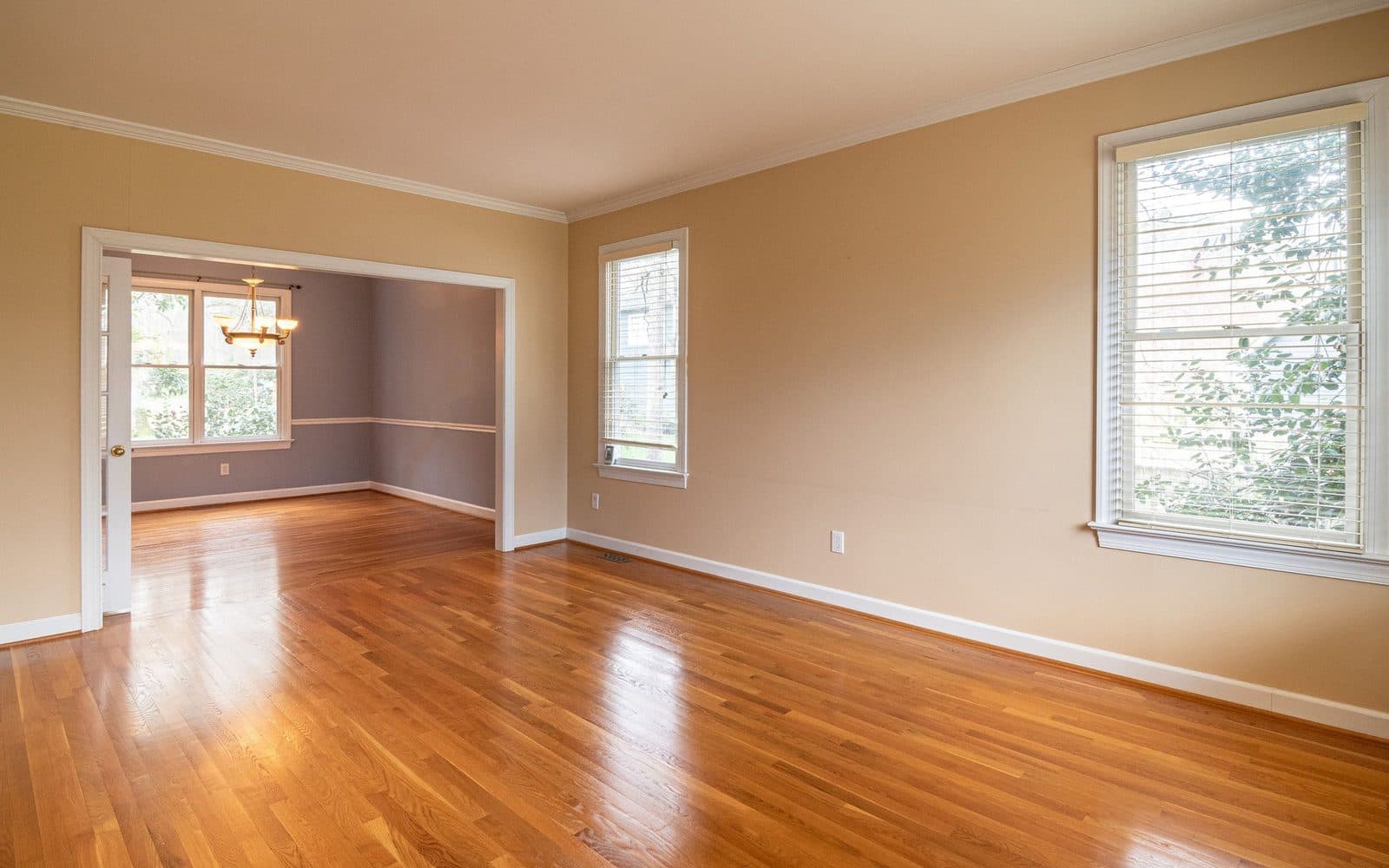
Nearly ten years as a paralegal supporting probate attorneys taught me that inheriting a house rarely feels like the windfall people assume it is. More often, it's a house full of someone else's decades, a stack of paperwork you didn't ask for, and a decision you have to make while you're still grieving. If you're standing in that spot right now, I want to give you something more useful than a generic checklist: an honest map of what actually has to happen, in roughly the order it has to happen.
First: Does the House Need to Go Through Probate?
This is the question everything else depends on, and it's genuinely different state to state, so treat this as a starting point for a conversation with a local probate attorney, not a final answer. In general terms:
- If the house was held in a living trust, it typically avoids probate entirely — the successor trustee can usually sell it once they have the trust documents in order.
- If the deed had a transfer-on-death designation or was held in joint tenancy with right of survivorship, ownership may pass automatically outside of probate.
- If none of the above applies, the house likely needs to go through probate — a court process that legally validates the will (or applies state intestacy law if there wasn't one) and formally transfers ownership.
Probate timelines vary enormously — some states have simplified/small-estate procedures that move in a couple of months, while a contested or complex estate can take a year or more. This is genuinely the single biggest variable in how fast you'll be able to sell, so it's worth getting a straight answer early rather than guessing.
Second: Who Actually Has the Authority to Sell?
Until probate is complete (or the trust transfer is finalized), the person handling the estate — the executor named in the will, or an administrator appointed by the court if there wasn't a will — usually needs letters testamentary or letters of administration from the probate court before they can legally sign a sale contract. Some buyers, including some cash buyers, will sign a purchase agreement contingent on probate completing, which lets you lock in a sale price while the legal process finishes in the background. Ask directly whether a buyer is willing to structure things that way if your probate isn't finalized yet.
Third: What Happens to the Mortgage, Taxes, and Liens?
An inherited house doesn't inherit a clean slate. Any existing mortgage generally still needs to be paid off at closing from the sale proceeds (federal law protects heirs from being forced to immediately pay off or refinance a mortgage just because of the transfer, but the loan itself doesn't disappear). Property taxes and any existing liens also typically need to be satisfied before or at closing — a title search will surface these, which is one more reason title work should start as early as possible.
Fourth: What About Taxes on the Sale Itself?
This is worth a real conversation with a CPA rather than a blog post, because it depends on your specific situation, but the general concept worth knowing is stepped-up basis: for tax purposes, an inherited property's "basis" (the value used to calculate capital gains) is typically adjusted to its fair market value on the date of the original owner's death, rather than what they originally paid for it decades ago. In many cases, this significantly reduces or eliminates capital gains tax if you sell reasonably soon after inheriting, compared to what the original owner would have owed. Confirm your specific numbers with a tax professional — this is exactly the kind of thing where a 15-minute phone call is worth far more than guessing.
Fifth: The Emotional Reality Nobody Puts in the Checklist
Handling an estate while grieving is genuinely hard, and there's no legal requirement that says you have to sort through every drawer and closet before deciding to sell. If the house needs to be cleared out and you don't have the time, energy, or family bandwidth to do it room by room, many cash buyers will purchase a property with belongings still inside — you take what matters to you and leave the rest. That's not a small thing to be able to skip.
What If the Heirs Don't Agree?
This comes up more than people expect, and it's worth addressing directly rather than hoping it resolves itself: when multiple siblings or heirs inherit a property jointly, disagreements about whether to sell, when to sell, or for how much are common, and they can stall a sale indefinitely if nobody addresses them head-on. A few things worth knowing:
- If the will or trust names one executor or trustee with authority to sell, that person generally has the legal right to proceed even if other heirs would prefer otherwise, though acting against the family's wishes obviously has its own real costs.
- If heirs inherit as co-owners with equal say (common when there's no single executor with sale authority, or after probate closes and title passes directly to multiple heirs), and they genuinely can't agree, one heir can potentially file a partition action — a court process that can force a sale — though this is a last resort, since it's slower and more expensive than reaching an agreement directly.
- Getting a neutral, third-party valuation (an appraisal or a firm cash offer) often helps more than continued discussion alone, because it turns an abstract disagreement about "what the house is worth" into a concrete number everyone can react to.
If you're the one trying to move things forward, a written proposal — this is the offer, this is the timeline, this is how proceeds would be split — tends to get further than an open-ended conversation about whether to sell at all.
Why Heirs Often Choose a Direct Cash Sale
Selling to a direct buyer instead of listing traditionally often makes sense for inherited property specifically because:
- The house may need repairs the estate can't easily fund out of pocket before a traditional sale
- Multiple heirs may want a fast, clean resolution rather than months of showings and negotiations
- A sale can often be structured contingent on probate completing, rather than waiting to even start the process
- There's no requirement to clean out or stage the house first
A Reasonable Starting Sequence
- Locate the will (or confirm there wasn't one) and any trust documents
- Talk to a probate attorney about whether the property needs to go through probate and roughly how long that takes in your county
- Get a rough sense of any mortgage balance, property taxes owed, and known liens
- Talk to a CPA about the stepped-up basis and what it means for your specific tax situation
- Decide, without rushing, whether a traditional listing or a direct cash sale fits your timeline and the property's condition better
You don't have to have all the answers today. But knowing the actual sequence of what needs to happen tends to make an overwhelming situation feel like a series of manageable steps instead of one impossible one.
This article is for general informational purposes only and isn't legal, tax, or financial advice. Laws, timelines, and requirements vary by state — consult a licensed attorney, CPA, or real estate professional before making a decision about your property.